Red light therapy voor spierherstel: sneller herstellen na het sporten
Hard getraind en daarna twee dagen stijf rondlopen? Red light therapy is onder sporters populair geworden als hulpmiddel bij herstel. In dit artikel leggen we uit waarom, en hoe je het thuis inzet rondom je trainingen.
Waarom sporters rood licht gebruiken
Na een intensieve inspanning moet je lichaam herstellen: spiervezels worden gerepareerd en afvalstoffen afgevoerd. Het idee achter red light therapy is dat het de energieproductie in je cellen ondersteunt, waardoor dat herstelproces vlotter kan verlopen. Veel sporters ervaren minder spiervermoeidheid en een prettiger gevoel in de dagen na een zware training.

Rood licht of nabij-infrarood voor spieren?
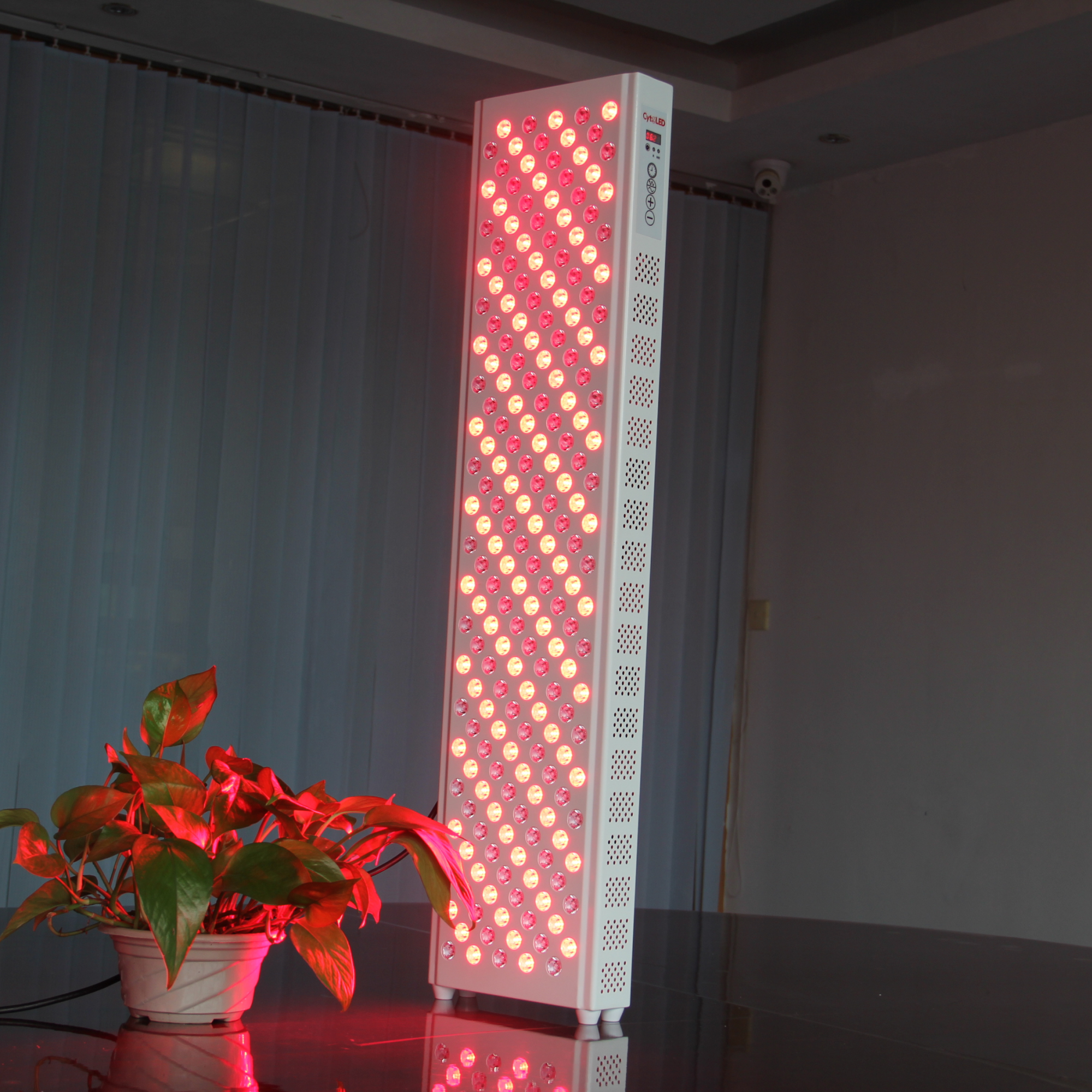
Voor spieren en gewrichten is vooral nabij-infrarood interessant, omdat dit dieper in het weefsel doordringt dan zichtbaar rood licht. Een paneel met schakelbare golflengtes — zoals de CytoLED-modellen — laat je gericht kiezen. Voor grotere spiergroepen (benen, rug) wil je bovendien voldoende oppervlak: dan komen de Duplex, Triplex of full-body Pentaplex in beeld.
Wanneer doe je een sessie?
- Na de training: de meeste mensen gebruiken rood licht na het sporten, gericht op de spiergroepen die ze hebben belast.
- Op rustdagen: ook tussen trainingen door, om herstel te ondersteunen.
- Kort en consistent: enkele minuten per zone, regelmatig herhaald, werkt prettiger dan af en toe een lange sessie.
Praktisch thuis
Zet het paneel op de juiste hoogte (een Boot Stand helpt daarbij), stel de gewenste golflengte in en gebruik de timer. Zo maak je van je herstel een vast, ontspannen ritueel — zonder afspraken bij een praktijk.
Wil je sneller herstellen na het sporten? Bekijk de krachtigere CytoLED-panelen met groot bereik.
Bekijk de panelen voor spierherstelVeelgestelde vragen
Voor of na het sporten?
De meeste sporters gebruiken red light therapy ná de training, gericht op de belaste spiergroepen. Experimenteer met wat voor jou prettig werkt.
Welk model voor benen en rug?
Voor grote spiergroepen wil je voldoende oppervlak: de Duplex, Triplex of full-body Pentaplex zijn dan logische keuzes.
Hoe vaak per week?
Veel gebruikers doen meerdere korte sessies per week. Consistentie is belangrijker dan lange losse sessies.
How red light therapy speeds up muscle recovery
Red light therapy works at the cellular level. Red and near-infrared light penetrate into your muscle tissue and stimulate the mitochondria, the energy factories of your cells, to produce more energy in the form of ATP. More cellular energy means your muscles repair faster after exercise, waste products are cleared more quickly and inflammation is reduced. Where muscles would normally need days to recover, targeted light therapy can measurably speed up that process.
This is exactly why professional athletes, physiotherapists and rehabilitation centres use red light as a fixed part of their recovery routine. The best part is that it asks nothing of you: no effort, no side effects, just light that helps your body bounce back faster.
Before or after training: when should you use it?
You can use red light therapy both before and after your workout, and each moment has its own benefit. Used before training, the light warms your muscles at a cellular level and can support blood flow and performance. Used after training, it focuses on recovery: less muscle soreness, faster repair and less stiffness the next day.
A session of ten to twenty minutes on the muscle group you have worked is ideal for most people. Consistency matters more than long sessions. A few times a week delivers far more than an occasional long treatment, so build it into a routine you can actually maintain.
The right distance, dose and wavelengths
For muscle recovery you usually hold the panel around fifteen to thirty centimetres from your skin. Closer gives a more intense dose on a smaller area; further away treats a larger surface at a gentler intensity. Start with shorter sessions of five to ten minutes to get used to it, then build up to ten to twenty minutes per muscle group.
Wavelength matters too. Near-infrared light around 810 to 850 nanometres penetrates deepest and is ideal for muscles and joints, while red light around 660 nanometres works more on the skin. Quality panels combine both, so you treat both surface and deeper tissue at once.
Red light therapy for injuries and overuse
Beyond general recovery, red light therapy is also used for minor injuries and overuse. Because the light can reduce inflammation and stimulate blood flow, it can support the natural healing of a strained muscle or an overworked tendon. It does not replace medical treatment, but many people experience it as a pleasant, supportive addition to their recovery.
For persistent or serious complaints, always consult a doctor or physiotherapist first. But for the everyday aches and stiffness of an active life, a red light panel is a handy tool to have within reach whenever you need it.
At home versus the physiotherapist
Physiotherapists and sports clinics often use professional light devices, but those treatments cost money and time per session. A good quality panel of your own delivers the same effective wavelengths and lets you treat as often as you like. Precisely with recovery, where regularity is key, that is a huge advantage.
Think of your own panel as an investment that pays for itself in convenience and consistency. Instead of the occasional expensive session, you do a short treatment at home daily or every other day. For the dedicated athlete, or anyone who simply wants to stay fit, that is the smartest way to use red light.
Why a personal panel is the smart choice for athletes
For anyone serious about sport and recovery, a personal red light panel is one of the smartest investments you can make. You have the treatment within reach exactly when your muscles need it, without appointments, travel time or per-session costs. That availability is precisely what makes recovery effective, because regularity produces results.
Combine red light with good sleep, nutrition and movement, and you have a complete recovery system that lifts your performance and wellbeing to a higher level. You stay fitter, recover faster and get more out of every single training session you do.
The science behind light and recovery
Red light therapy may sound futuristic, but it rests on a well-understood principle: photobiomodulation. Certain wavelengths of light are absorbed by an enzyme in your mitochondria, helping them produce energy more efficiently. That extra cellular energy triggers a range of repair processes: new proteins, better blood flow and the clearing of waste products. For your muscles, this concretely means faster recovery and less build-up of fatigue.
More and more sports physiologists and rehabilitation centres therefore use the technique. What was once only available in clinics you can now simply do at home with your own panel, in the same effective wavelengths.
Red light as a fixed part of your recovery routine
Recovery is not a side issue but an essential part of every athletic performance. After all, you do not get stronger during training, but during the recovery afterwards. By making red light therapy a fixed part of your routine, you give your body a helping hand every time. Many people combine it with stretching, good sleep and enough protein for a complete recovery package.
Schedule your sessions at fixed moments, for example right after exercise or in the evening before bed. That way it becomes a habit you maintain, and it is precisely that regularity that delivers the most results over the long term.
A healthy lifestyle amplifies the effect
Red light therapy works most powerfully as part of a healthy routine. Good nutrition with enough protein, sufficient sleep and regular movement form the foundation of recovery; red light amplifies that process. See it not as a standalone fix, but as an accelerator on top of healthy habits.
Those who combine these elements often notice the biggest difference: faster recovery, less stiffness and more energy to keep moving. That is how red light becomes a natural part of an active, healthy lifestyle rather than a one-off trick.
Ready to recover faster with red light therapy at home?
View the red light panelsFrequently asked questions
How often should I use red light for muscle recovery?
A few times a week, ten to twenty minutes per muscle group, works best. Regularity matters more than long sessions. Many athletes use it after training or on rest days.
Does red light therapy really work for muscles?
Yes. Red light stimulates the mitochondria in your cells to produce more energy, which speeds up recovery, reduces inflammation and eases muscle soreness. It is widely used by athletes and physiotherapists.
Should I use it before or after exercise?
Both work. Before training it supports blood flow and warms the muscles at a cellular level; after training it focuses on recovery and less soreness. Choose what fits your routine.
Which wavelength is best for muscles?
Near-infrared light around 810 to 850 nanometres penetrates deepest and is ideal for muscles and joints. A panel that also offers red light around 660 nanometres treats both skin and deeper tissue.
Are there any side effects?
Red light therapy is non-invasive and has no known side effects with normal use. Follow the recommended distance and time and protect your eyes during treatment.
-
Geplaatst in
CytoLED, herstel, nabij-infrarood, red light therapy, spierherstel, sport